
Tax Projections
Numbers-first projections that show what you are likely to owe, when to pay it, and how a decision could change the result.
Overview
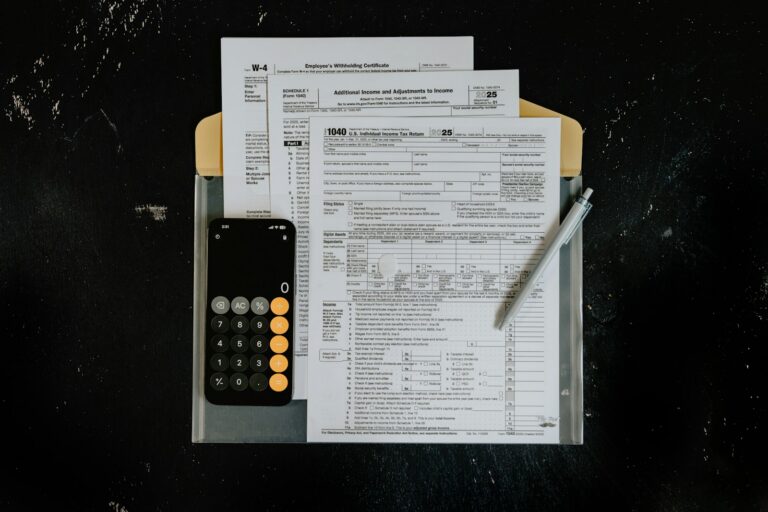
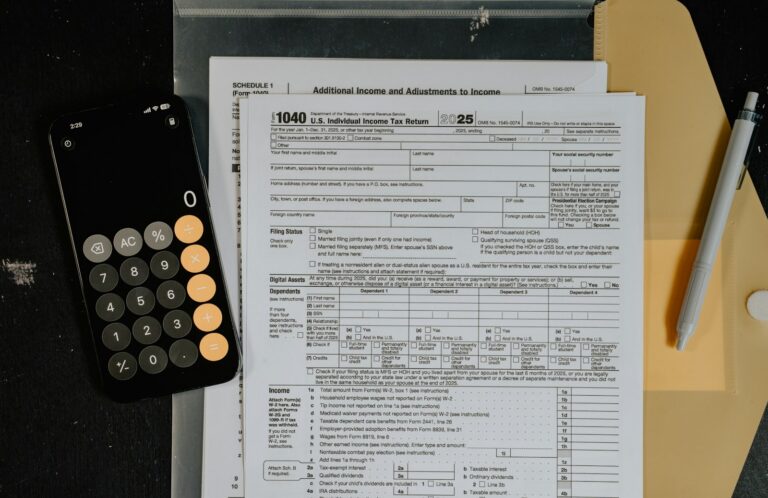
A tax projection estimates your tax liability before the year ends, using actual results to date and reasonable assumptions about the rest of the year. It turns tax from a surprise in April into a number you can plan around. We prepare year-end projections for individuals and businesses, calculate estimated payments, and update the model as income, deductions, or plans change. For business owners, we project the entity and the owner together, since pass-through income flows directly to the individual return.
Projections are also the tool for comparing options. Before selling a business, changing entity type, exercising equity, or making a large purchase, a scenario model shows the estimated tax effect of each path side by side, using the same assumptions so the comparison is fair. We document those assumptions so you can see what drives the result. Projections quantify outcomes; our tax planning work develops the strategies those projections test.
How We Help With Tax Projections
Year-End Projections
Estimating current-year federal and state tax using year-to-date results and expected activity, so there is still time to act on payments and decisions before the year closes.
Estimated Tax Payments
Calculating quarterly estimated payments for individuals and entities, with attention to safe harbor rules, to help manage cash flow and reduce the risk of underpayment penalties.
Multi-Year Projections
Projecting tax over several years to evaluate timing decisions, such as when to recognize income, accelerate deductions, or schedule large expenditures across tax years as your plans develop.
Transaction Scenario Modeling
Modeling the estimated tax effect of selling a business, buying or selling assets, or receiving a large payout, including comparisons of different deal structures and timing.
Entity Change Modeling
Comparing estimated tax outcomes before converting between entity types, such as an LLC, S corporation, or C corporation, including owner-level effects, payroll tax differences, and state considerations.
Owner and Entity Integration
Combining business and personal projections so owners see how distributions, compensation, and pass-through income affect their individual liability, cash needs, and quarterly estimated payments throughout the year.
Challenges We Help You Address
- ✓Large balances due in April after a stronger-than-expected year
- ✓Uneven income that makes quarterly estimates difficult to set
- ✓Major decisions made without knowing their tax effect first
- ✓Owners surprised by pass-through income on their personal returns
- ✓Comparing deal or entity options without a consistent model









































































































































































































































































































































































Frequently Asked Questions
What is a tax projection?
A tax projection is an estimate of your tax liability for the current or future years, based on actual results to date and assumptions about income, deductions, and credits. It shows roughly what you are likely to owe before the return is filed. Projections are most useful in the fourth quarter, before a transaction, or whenever income changes significantly, because they leave time to adjust payments or decisions.
How are quarterly estimated taxes calculated?
Estimated taxes are generally based on projected income and tax for the year, paid in installments. Individuals can often avoid underpayment penalties by meeting a safe harbor based on either a percentage of the current year’s tax or the prior year’s tax, with a higher prior-year requirement for higher-income taxpayers. A projection helps decide which approach fits and adjusts payments when income changes.
When should I get a year-end tax projection?
A year-end projection is most useful in the fall, typically once most of the year’s results are known but before December. That timing leaves room to adjust fourth-quarter estimated payments, time income and deductions, fund retirement accounts, or make other decisions that must happen by year end. Business owners with fluctuating income may benefit from projections more than once a year.
What is the difference between tax projections and tax planning?
Tax projections estimate the numbers: what you are likely to owe, what to pay in estimates, and how different scenarios compare. Tax planning is the broader strategy work, such as choosing entity structure, setting owner compensation, or preparing for succession. The two work together. Planning identifies options, and projections quantify the estimated effect of each one so decisions are based on modeled numbers.
Related services & industries
Contact Us
Tell us about your organization and a member of our team will be in touch.