
Tax filing deadlines determine when your returns, payments, and financial actions must reach the IRS to avoid penalties and interest. Missing even one due date can result in costly fees, so understanding the full calendar of tax due dates is essential for individuals, estates, and trusts alike.
While April 15 receives the most attention each year, it is far from the only deadline that matters. Estimated tax payments, extension filings, retirement contributions, and gift tax returns all follow their own schedules. Below is a complete breakdown of the key IRS tax deadlines throughout the year, along with what you need to do at each one.
April 15: The primary tax filing deadline
April 15 is the annual deadline for filing your individual federal income tax return using Form 1040. This is also the last day to request an automatic six-month extension using Form 4868, which pushes the filing deadline to October 15. An extension to file is not an extension to pay, however: any taxes owed are still due by April 15, and interest begins accruing on unpaid balances after that date.
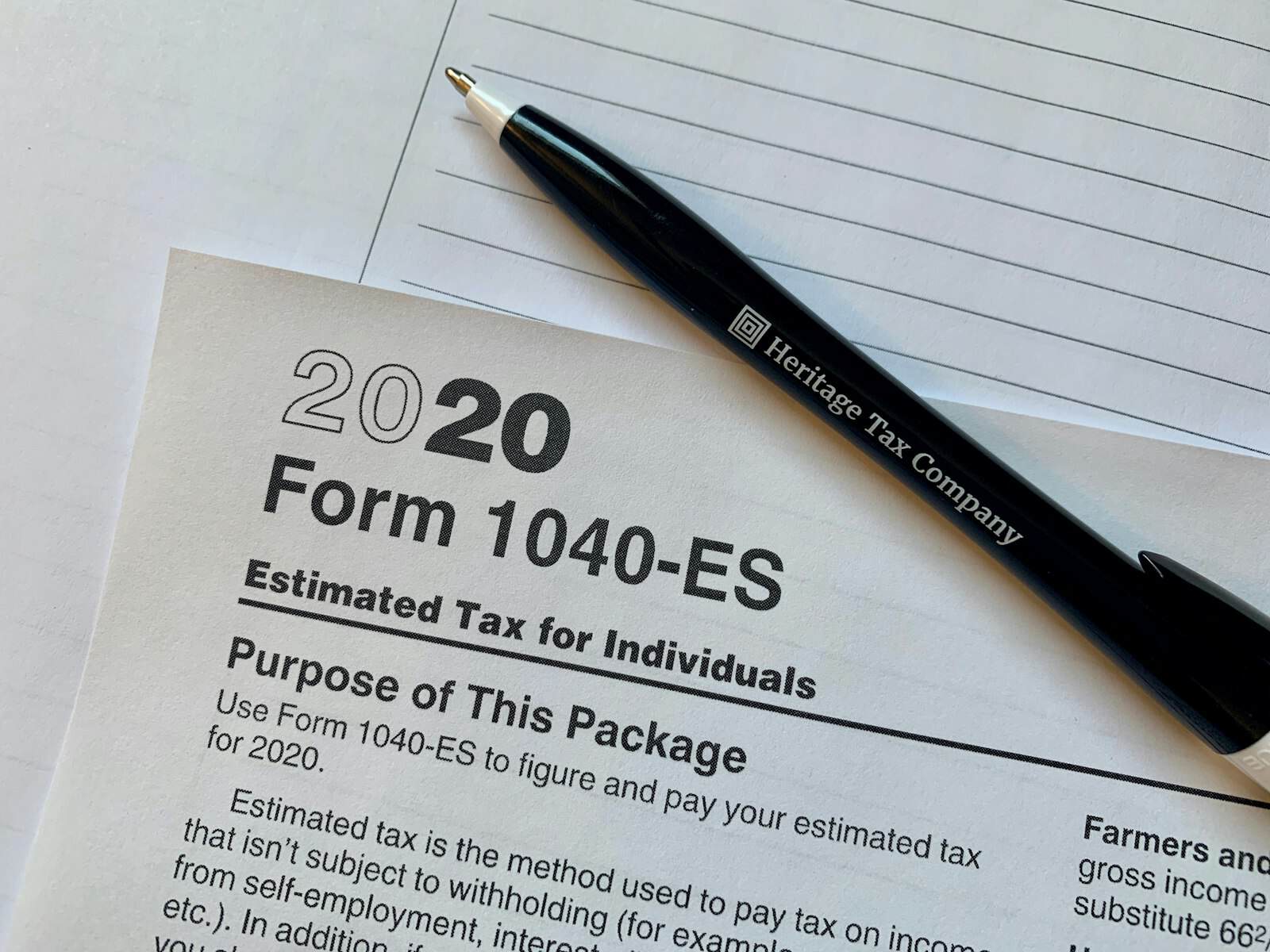
April 15 also marks the deadline for the first quarterly estimated tax payment of the current tax year. If you are self-employed, receive significant investment income, or otherwise do not have taxes withheld from your income, you are likely required to make estimated payments using Form 1040-ES. Failing to pay enough through withholding or estimated payments can trigger an underpayment penalty at the end of the year.
April 15 is also the last day to make contributions to a traditional or Roth IRA for the prior tax year. This is a commonly overlooked deadline that can have a meaningful impact on your tax liability and retirement savings. The IRS confirms the annual schedule and any weekend or holiday shifts on its tax calendar.
June 15: Estimated taxes and expat returns
The June 15 deadline serves two important purposes. First, it is the due date for the second installment of quarterly estimated tax payments for the current year. Taxpayers who make estimated payments should use Form 1040-ES to calculate and submit the correct amount.
Second, June 15 is the tax filing deadline for U.S. citizens and resident aliens living outside the United States. These taxpayers receive an automatic two-month extension beyond April 15 to file their individual income tax return. They may also file Form 4868 by June 15 to request an additional four-month extension, pushing their deadline to October 15. Any tax owed is still due by April 15 regardless of this extension, and interest accrues on unpaid balances from that original date.
September 15: The third estimated tax payment
September 15 is the due date for the third installment of quarterly estimated tax payments. This payment covers income earned during June, July, and August. Taxpayers who skip or underpay this installment may face penalties when they file their annual return the following spring.
For those making estimated payments, review your year-to-date income at this point. If your income has changed significantly, for example due to a large capital gain, a new consulting contract, or a job change, you may need to adjust your estimated payment amount to avoid an underpayment penalty. The IRS provides a worksheet within Form 1040-ES to help you recalculate.
September 15 is also the extended filing deadline for partnerships (Form 1065) and S corporations (Form 1120-S) that requested an extension from their original March 15 due date. Businesses that file these returns often benefit from coordinated tax advisory services to keep entity and owner filings aligned.
October 15: The tax extension deadline
October 15 is the final deadline for individuals who filed for an automatic six-month extension. By this date, you must submit your completed Form 1040 along with any remaining tax, interest, and penalties due. There are no further extensions available beyond this point for most taxpayers, so missing this deadline can result in a failure-to-file penalty on top of any taxes owed.
Several other important actions cluster around this time of year. If you are the trustee of a trust or executor of an estate, note that Form 1041 (income tax return for estates and trusts) has its own timeline. For a calendar-year estate or trust, Form 1041 is originally due April 15, and a Form 7004 request grants an automatic five-and-a-half-month extension, moving the deadline to September 30. As with individual returns, this date can shift when it falls on a weekend or holiday, so confirm the specific date for the current year.
October 15 is also the last day to make contributions to a Simplified Employee Pension (SEP) IRA for the prior tax year, provided you filed an extension. This is a valuable opportunity for self-employed individuals and small business owners to reduce their prior-year tax liability while building retirement savings.
Gift tax returns (Form 709) that received an extension are also due by October 15.
January 15: The fourth and final estimated tax payment
The fourth and final quarterly estimated tax payment for the prior year is due on January 15. This payment covers income earned during September, October, November, and December. Taxpayers who file their full return and pay all taxes owed by January 31 can skip this estimated payment without penalty.
This is also a good time to begin gathering documents for the upcoming tax season. W-2 forms, 1099s, and other information returns typically arrive in late January, and organizing them early makes for a smoother filing process.
December 31: Year-end tax planning deadlines
December 31 marks the last day to take several important tax actions for the current year. Unlike most IRS tax deadlines, these are driven by the calendar year rather than a specific filing requirement.
Contributions to employer-sponsored retirement plans such as 401(k), 403(b), and SIMPLE IRA accounts must be made by December 31 to count toward the current tax year. This is different from IRA contributions, which can be made until the April filing deadline.
Annual exclusion gifts must also be completed by December 31. The IRS allows individuals to give up to the annual exclusion amount per recipient without triggering gift tax or using any of their lifetime exemption. Any unused exclusion does not carry over to the following year.
December 31 is also the last day to incur expenses that you plan to claim as itemized deductions on your current-year return. This includes charitable donations, medical expenses that exceed the adjusted gross income threshold, state and local tax payments (subject to the SALT cap), and certain miscellaneous expenses. If you are close to the standard deduction threshold, accelerating deductible expenses into the current year through a strategy known as “bunching” can help you itemize and reduce your tax bill.
How tax deadlines differ for businesses and entities
Individual deadlines tell only part of the story. Partnerships and S corporations file by March 15, with a six-month extension available to September 15. C corporations on a calendar year generally file Form 1120 by April 15, with an extension to October 15. Entities operating on a fiscal year follow due dates tied to the close of their accounting period rather than the standard calendar, which makes confirming the exact date each year important.
Employment and information-return deadlines add another layer. Forms W-2 and most 1099 forms must reach recipients and the IRS by January 31. Payroll tax deposits and quarterly Form 941 filings carry their own schedule throughout the year, and missing a payroll deposit can generate trust fund recovery penalties that fall on responsible individuals personally.
Industry-specific filings can shift the timeline further. Nonprofits file Form 990 by the 15th day of the fifth month after their year-end, and organizations in regulated fields such as skilled nursing and long-term care often face cost report and compliance deadlines that run parallel to their tax obligations. Mapping every applicable due date in advance prevents one missed filing from cascading into others.
How to avoid missing tax due dates
Staying on top of tax filing deadlines requires more than knowing the dates: it requires planning ahead. Set calendar reminders at least two weeks before each deadline. If you make quarterly estimated tax payments, consider setting up automatic payments through the IRS Direct Pay system or the Electronic Federal Tax Payment System (EFTPS) to eliminate the risk of a missed payment.
Working with a CPA or tax advisor is one of the most reliable ways to stay current on IRS tax deadlines, especially if your tax situation involves estimated payments, extensions, trust or estate filings, or significant year-end planning decisions. A professional can also help you calculate the right estimated payment amounts and identify opportunities to reduce your overall tax liability before each deadline arrives. Pease Bell CPAs offers accounting services that keep filings accurate and on time across every entity type.
Frequently Asked Questions
When are taxes due for individual filers?
Individual federal income tax returns are due on April 15 each year. If April 15 falls on a weekend or a holiday, the deadline shifts to the next business day. You can request an automatic six-month extension to October 15, but any taxes owed must still be paid by April 15 to avoid interest and penalties.
What is the tax extension deadline?
The tax extension deadline for individuals is October 15. Filing Form 4868 by April 15 grants you an automatic six-month extension to complete your return. This extension applies only to filing, not to payment. Any unpaid tax balance accrues interest from the original April 15 deadline.
When are quarterly estimated tax payments due?
Quarterly estimated tax payments are due on April 15, June 15, September 15, and January 15 of the following year. These payments apply to self-employed individuals, freelancers, and anyone who does not have sufficient tax withheld from their income. Use Form 1040-ES to calculate and submit each payment.
What happens if I miss a tax filing deadline?
Missing a tax filing deadline can trigger two separate penalties: a failure-to-file penalty and a failure-to-pay penalty. The failure-to-file penalty is typically 5% of unpaid taxes per month, up to 25%. The failure-to-pay penalty is 0.5% per month. Filing an extension eliminates the failure-to-file penalty, but you must still pay what you owe by April 15.
Can I contribute to a retirement plan after the filing deadline?
IRA contributions for the prior tax year can be made until April 15 (or October 15 if you filed an extension for a SEP IRA). However, 401(k) and other employer-sponsored plan contributions must be made by December 31 of the tax year. The rules differ by plan type, so check with your plan administrator or tax advisor.
Do I need to make estimated tax payments?
You generally need to make estimated tax payments if you expect to owe at least $1,000 in federal tax after subtracting withholding and credits. This commonly applies to self-employed individuals, independent contractors, landlords, and investors with significant capital gains. The IRS may assess an underpayment penalty if you do not pay at least 90% of your current-year tax liability or 100% of your prior-year liability through withholding or estimated payments.