
SBA Lenders
Quality of earnings, business valuations, and borrower diligence that help SBA lenders evaluate 7(a) loans, especially change-of-ownership deals.
Overview
SBA lenders make credit decisions on small businesses that often have limited financial reporting, owner-driven expenses, and tax-basis books. When a 7(a) loan finances a change of ownership, the lender also needs support for what the business is worth and whether its cash flow can service new debt. Pease Bell, a Top 200 U.S. CPA firm headquartered in Cleveland, Ohio, provides services to SBA lenders: quality of earnings analyses, business valuations, and borrower due diligence that help credit teams underwrite with independent support.
Our reports are written for lenders. They explain how reported earnings were adjusted, what cash flow appears sustainable, and which risks the credit team should weigh. SBA’s Standard Operating Procedures set specific requirements for business valuations and other underwriting steps on many change-of-ownership loans, and we prepare our work with those expectations in mind. We also audit lenders themselves, with audit, tax, and advisory available under one roof.
How We Help SBA Lenders
Quality of Earnings
Independent analysis of a borrower’s historical earnings, add-backs, working capital, and revenue concentration, giving credit teams a supportable view of the cash flow available to service a 7(a) loan.
Business Valuations
Independent valuations of businesses being acquired with SBA financing, prepared independently of the deal parties and documented to support the lender’s review of the purchase price.
Borrower Due Diligence
Review of borrower financial statements, tax returns, interim results, and debt schedules to reconcile figures, identify inconsistencies, and flag issues the lender should resolve before approval or closing.
Tax Return Reconciliation
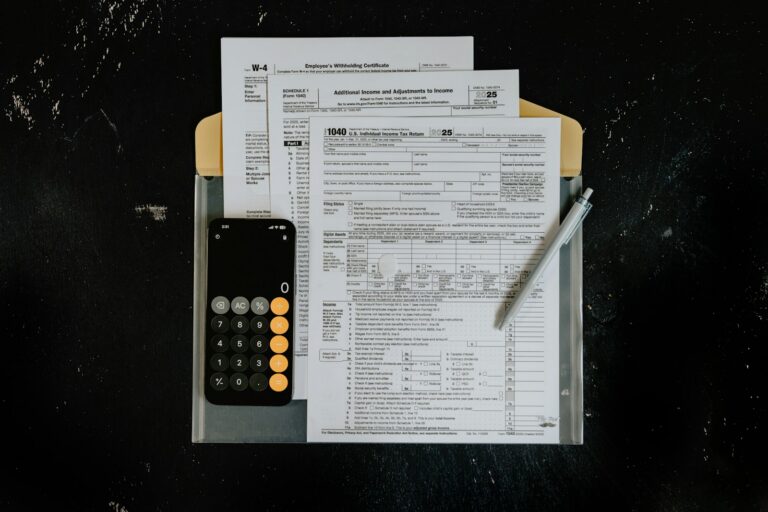
Reconciliation of borrower tax returns to financial statements and IRS transcripts, explaining differences so underwriters can rely on the figures used in debt service coverage calculations.
Lender Financial Statement Audits
Audits of non-bank SBA lenders and small business lending companies, covering loan portfolios, loan sales and servicing assets, the allowance for credit losses, and related disclosures.
Post-Close Borrower Support
Accounting and reporting help for borrowers after closing, such as setting up monthly financials, so lenders receive reliable periodic statements and covenant information from the businesses they finance.
Challenges We Help You Address
- ✓Validating add-backs on small businesses with owner-driven expenses
- ✓Supporting purchase prices on change-of-ownership 7(a) loans
- ✓Reconciling borrower tax returns to interim financial statements
- ✓Documenting underwriting for SBA review and loan file quality
- ✓Getting reliable reporting from borrowers after the loan closes
































































































Frequently Asked Questions
Do SBA 7(a) loans require a business valuation?
Many do. SBA’s Standard Operating Procedures require an independent business valuation from a qualified source for certain change-of-ownership loans, with triggers tied to factors such as deal size and whether the buyer and seller are related. SBA has revised these rules more than once in recent years, so lenders should confirm the current SOP requirements for each loan. We prepare valuations designed to meet lender and SBA expectations.
What is a quality of earnings report for an SBA loan?
A quality of earnings report analyzes a borrower’s historical financial results to determine what earnings and cash flow are sustainable. For an SBA lender, it tests the seller’s add-backs, reviews revenue and customer concentration, and examines working capital needs. The result helps the credit team evaluate debt service coverage and the purchase price on a supportable basis rather than relying solely on the seller’s figures.
Can a CPA firm work for the lender rather than the borrower?
Yes. When a lender engages the firm, the report is prepared for the lender’s credit decision, and the scope reflects what the lender needs to evaluate. The borrower provides information and access, but the analysis is independent of the deal’s outcome. Lenders often prefer this arrangement because it gives them a consistent standard across the loans they underwrite.
How is a business valuation different from a quality of earnings report?
A business valuation estimates what the business is worth, using income, market, or asset approaches. A quality of earnings report does not conclude on value. It tests whether the earnings and cash flow underlying the deal are reliable. Lenders often benefit from both: the QoE supports the earnings used in the valuation and in debt service calculations.
Related services & industries
Contact Us
Tell us about your organization and a member of our team will be in touch.