
Construction
Audit, tax, and advisory for building-products manufacturers, fabricators, and specialty contractors whose results depend on accurate job costing and contract accounting.
Overview
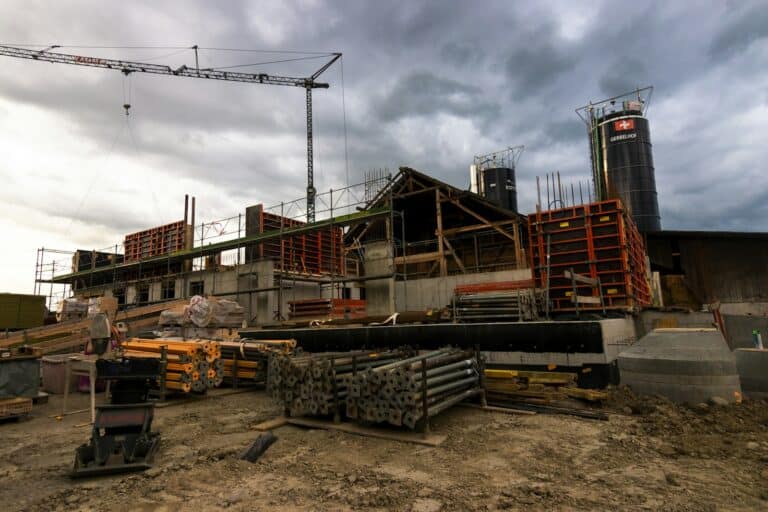
Building-products manufacturers, steel and metal fabricators, millwork shops, and specialty trade contractors share a common accounting challenge: revenue is earned over the life of a contract, while costs, change orders, and billings arrive on different schedules. Percentage-of-completion accounting, WIP schedules, and over and under billings determine whether reported profit is reliable. Surety companies and banks read those schedules closely. Pease Bell, a Top 200 U.S. CPA firm headquartered in Cleveland, Ohio, helps these businesses produce contract accounting that sureties, lenders, and owners can trust.
This page focuses on companies that manufacture, fabricate, or install building components, such as structural steel, precast, HVAC, electrical, glazing, or millwork. Developers and general contractors working on real estate projects are served by our real estate construction practice. For manufacturing-oriented contractors, we combine plant-level cost accounting with contract revenue recognition, tax method planning, and bonding support, so the numbers sureties and lenders see match the numbers management uses to run jobs.
How We Help Fabricators and Specialty Contractors
Contract Revenue Recognition
Application of ASC 606 to fabrication and installation contracts, including identifying performance obligations, measuring progress over time, and accounting for change orders, claims, and contract modifications.
WIP Schedule Preparation
Preparation and review of work-in-progress schedules showing contract values, costs to date, estimated costs to complete, and over and under billings, reconciled to the general ledger each period.
Surety and Bonding Financials
Audited and reviewed financial statements prepared with surety underwriters in mind, including contract schedules and supplementary information that support bonding capacity and the program limits you need to bid work.
Job Costing and Plant Overhead
Job costing that captures shop fabrication, field labor, materials, and equipment, with overhead allocation methods that make sense for operations combining plant production and on-site installation work.
Tax Accounting Methods
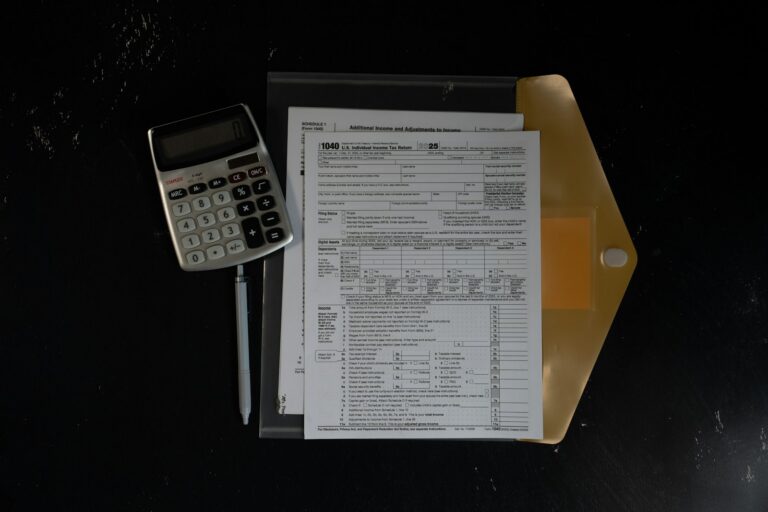
Evaluation of tax methods for long-term contracts under IRC Section 460, including whether small contractor exceptions apply, and planning for depreciation, entity structure, and multistate filing obligations.
Outsourced Controller Support
Month-end close, WIP updates, and estimate-to-complete reviews for companies that need experienced construction accounting oversight between annual audits, without the cost of adding a full-time controller position.
Challenges We Help You Address
- ✓Estimates to complete that shift late in a job and surprise reported profit
- ✓WIP schedules that do not tie to the general ledger
- ✓Sureties requesting more detail before increasing bonding capacity
- ✓Unapproved change orders and claims that complicate revenue recognition
- ✓Blending shop fabrication costs and field installation costs on the same contract





















































Frequently Asked Questions
What is percentage-of-completion accounting?
Percentage-of-completion is a method of recognizing contract revenue as work progresses rather than when the contract is finished. Under ASC 606, companies that satisfy performance obligations over time measure progress using a method such as costs incurred relative to total estimated costs. For tax, long-term contracts are generally governed by IRC Section 460, with exceptions for certain smaller contractors.
What is a WIP schedule and why do sureties want it?
A work-in-progress schedule lists each open contract with its contract value, costs to date, estimated costs to complete, revenue earned, and billings, showing whether the job is over or under billed. Sureties use it to evaluate profit fade, working capital, and whether reported earnings are supported, so accuracy directly affects bonding capacity.
What are over billings and under billings?
Over billings occur when a contractor has billed more than the revenue earned on a job, creating a liability. Under billings occur when revenue earned exceeds amounts billed, creating an asset. Large or growing under billings can signal cost overruns or billing delays, which is why lenders and sureties review them closely.
How is this different from real estate construction accounting?
Developers and general contractors on real estate projects focus on project-level capitalization, development costs, and property financing. Building-products manufacturers, fabricators, and specialty contractors combine plant cost accounting with contract revenue recognition, so their key issues are job costing that spans shop and field, WIP schedules, and bonding.
Related services & industries
Contact Us
Tell us about your organization and a member of our team will be in touch.