
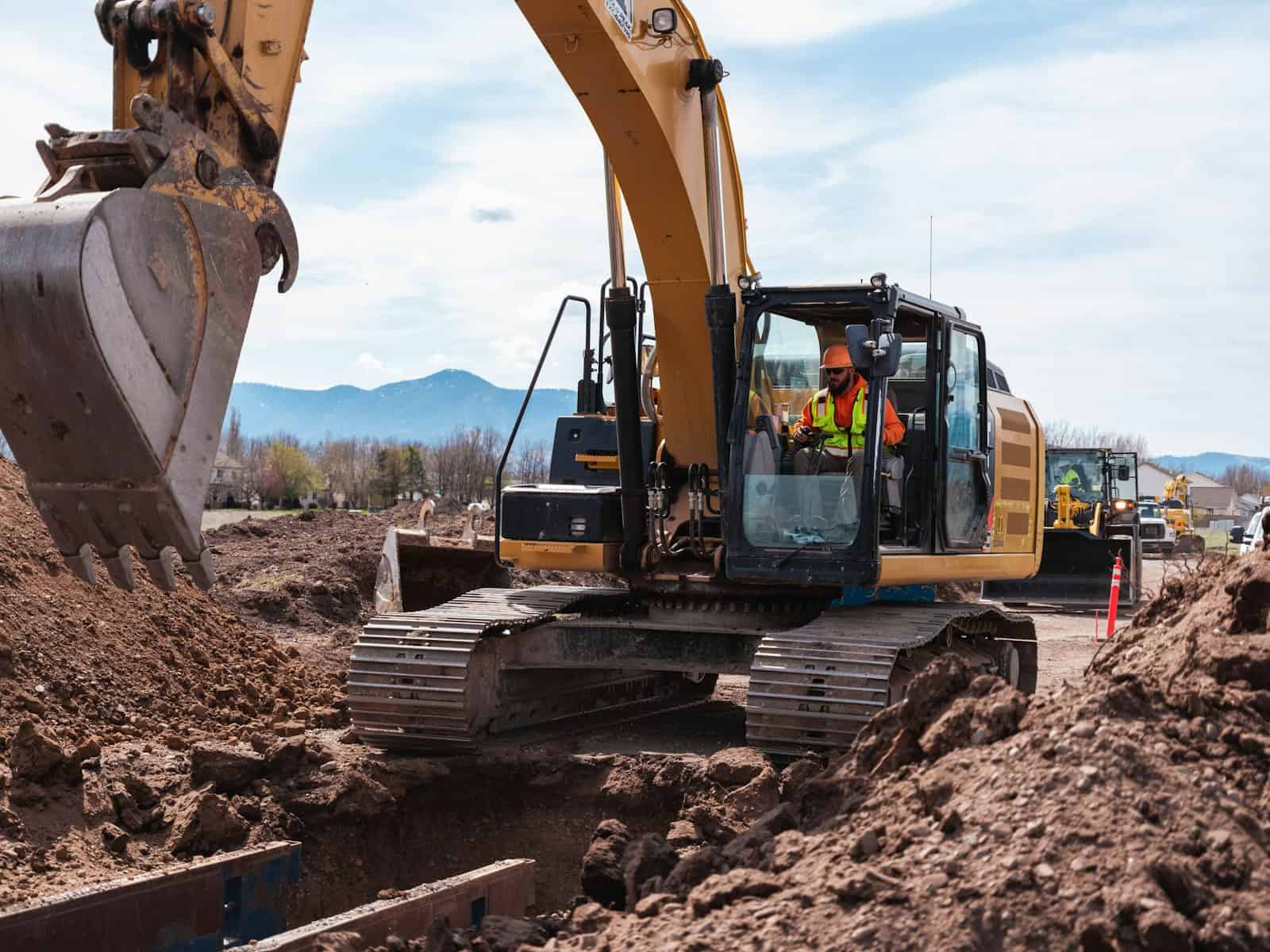
The Section 179 deduction is one of the most powerful tax-saving tools available to businesses that purchase equipment, software, or other qualifying assets. Rather than spreading the cost of a new asset across several years of depreciation, Section 179 allows you to deduct the full purchase price in the tax year the asset is placed in service. For companies planning capital expenditures, understanding how this deduction works, and how it compares to bonus depreciation, can mean the difference between a good tax year and a great one.
What Is the Section 179 Deduction?
Section 179 of the Internal Revenue Code gives businesses the option to immediately expense the cost of certain tangible personal property instead of recovering those costs through depreciation deductions over multiple years. This election applies to property that is both acquired and placed in service during the tax year. The IRS outlines the core rules in Publication 946, which explains how to elect the deduction and which property qualifies.
The key advantage is timing. Depreciation spreads the tax benefit of an asset purchase across its useful life, which could be five, seven, or even fifteen years. Section 179 expensing compresses that entire benefit into a single year, putting more money back into your business sooner.
There is an important limitation: the Section 179 deduction can only offset net income. It cannot create or increase a net operating loss. If your business has a modest income year, you may not be able to expense the full cost of your purchases, though unused amounts can generally be carried forward to future years.
Current Section 179 Deduction Limits and Phaseout Thresholds
The annual dollar limits for Section 179 expensing are among the most commonly searched details about this tax provision, and for good reason. These numbers determine how much your business can write off in a single year.
For tax years beginning in 2025, businesses can expense up to $2,500,000 in qualifying assets. This limit is subject to a dollar-for-dollar phaseout that begins once the total cost of all qualifying property placed in service during the year exceeds $4,000,000. Both the expensing limit and the phaseout threshold are indexed for inflation, so they adjust upward in future years.
These higher limits come from the One Big Beautiful Bill Act (Public Law 119-21), enacted in July 2025, which increased the Section 179 expensing cap from the prior inflation-adjusted amount of $1,250,000 and raised the phaseout threshold to $4,000,000 for property placed in service after December 31, 2024. The expansion built on the Protecting Americans from Tax Hikes (PATH) Act of 2015, which had earlier made permanent the higher Section 179 limits and tied them to inflation, giving businesses long-term certainty for planning asset purchases.
To put the phaseout in perspective, consider a business that places $4,500,000 of qualifying property in service during 2025. Its maximum Section 179 deduction would be reduced by $500,000, the amount exceeding the $4,000,000 threshold, leaving an available deduction of $2,000,000. Once total qualifying property reaches $6,500,000, the deduction phases out entirely.
What Qualifies for a Section 179 Deduction?
Not every asset purchase qualifies for Section 179 expensing. The deduction applies to tangible personal property that is purchased and placed in service during the tax year. Understanding what qualifies is essential for planning your purchases strategically.
Common categories of Section 179 qualified property include:
- Office furniture and equipment: desks, chairs, copiers, phone systems
- Computers and peripherals: servers, laptops, monitors, printers
- Off-the-shelf computer software, a category the PATH Act permanently added
- Machinery and manufacturing equipment
- Business vehicles, subject to specific limits for passenger automobiles, with higher limits for vehicles over 6,000 pounds gross vehicle weight
- HVAC systems, including air conditioning and heating units, when added to nonresidential real property after the building was first placed in service
- Qualified real property, including qualified improvement property and improvements such as roofs, fire protection and alarm systems, and security systems on nonresidential buildings
The property can be new or used, which distinguishes Section 179 from bonus depreciation. As long as the asset is new to your business and meets the other requirements, you can elect to expense it under Section 179 regardless of whether it was previously owned by someone else. Manufacturers and distributors that regularly invest in equipment often find the most value here, and our manufacturing and distribution teams routinely model these purchases against income projections.
Section 179 vs. Bonus Depreciation: Choosing the Right Strategy
Business owners often hear about both Section 179 and bonus depreciation and wonder which one to use. These are related but distinct tax provisions, and the right choice depends on your specific situation.
Bonus depreciation allows businesses to deduct a percentage of the cost of qualifying property in the first year. Under the Tax Cuts and Jobs Act, bonus depreciation was set at 100% for assets placed in service between September 27, 2017, and December 31, 2022, then began phasing down by 20 percentage points per year, falling to 80% in 2023, 60% in 2024, and 40% for property acquired on or before January 19, 2025. The One Big Beautiful Bill Act reversed that phasedown by reinstating the 100% special depreciation allowance for qualified property acquired and placed in service after January 19, 2025, and made that 100% allowance permanent. The IRS confirms this change in the 2025 Instructions for Form 4562.
There are several important differences to consider:
- New vs. used property: Section 179 applies to both new and used assets. Bonus depreciation historically applied only to new property, but the Tax Cuts and Jobs Act extended it to qualifying used property as well, and that treatment continues under the restored 100% allowance.
- Income limitation: Section 179 cannot reduce business income below zero. Bonus depreciation has no such limit and can create or increase a net operating loss.
- Dollar cap: Section 179 has an annual dollar limit ($2,500,000 for 2025). Bonus depreciation has no dollar cap.
- Election flexibility: Section 179 is elective, so you choose which assets to expense and how much. Bonus depreciation generally applies automatically to all eligible property unless you elect out.
For many small and mid-sized businesses, Section 179 expensing is the more practical tool because it offers precise control over how much income to offset. Larger businesses with significant capital expenditures may benefit from layering bonus depreciation on top of Section 179 to maximize first-year deductions.
How Qualified Real Property Fits Into Section 179 Expensing
A lesser-known benefit of Section 179 is that it can apply to certain real property improvements rather than only to equipment and machinery. The PATH Act first opened this door, and the Tax Cuts and Jobs Act then broadened and modernized the definition of qualified real property for tax years beginning after 2017. Before these changes, most real property improvements were excluded from Section 179 and had to be depreciated over 15 or 39 years depending on the type of improvement.
Qualified real property for Section 179 purposes now includes:
- Qualified improvement property: interior improvements to nonresidential real property placed in service after the building was first placed in service
- Roofs added to nonresidential real property
- Heating, ventilation, and air conditioning property serving nonresidential real property
- Fire protection, alarm, and security systems installed in nonresidential buildings
This treatment is particularly valuable for businesses that invest in tenant improvements, building systems, or renovations. Instead of waiting years to recover these costs through depreciation, you can elect to deduct qualifying improvements immediately under Section 179, subject to the same annual limits and phaseout thresholds that apply to personal property. Property owners and developers should weigh these rules alongside the other planning tools our real estate and construction practices use to time large capital projects.
Planning Your Asset Purchases for Maximum Tax Benefit
The Section 179 deduction rewards proactive planning. Because the deduction applies to property placed in service during the tax year, timing your purchases strategically can have a significant impact on your tax liability.
Several practical considerations apply.
Estimate your net income early. Since Section 179 cannot create a net operating loss, you need to know roughly how much income you expect to offset. Expensing $500,000 in equipment does nothing for you in the current year if your net income is only $200,000, though unused amounts may carry forward.
Account for the phaseout. If your total qualifying property purchases are approaching the phaseout threshold, you may want to defer some purchases to the following year to preserve the full deduction.
Combine Section 179 with bonus depreciation. You can apply Section 179 to some assets and bonus depreciation to others. A tax advisor can help you model the optimal allocation based on your income level and asset mix.
Do not overlook used equipment. Many businesses assume they need to buy new to get a tax break. Section 179 applies to used property, which can make acquiring pre-owned machinery, vehicles, or office equipment even more cost-effective.
Document everything. The asset must be placed in service during the tax year, not just purchased. If you buy equipment in December but do not install it until January, it will not qualify for the current year’s deduction.
Working with a qualified CPA or tax advisor ensures you identify the right depreciation strategy for your business. The interplay between Section 179 expensing, bonus depreciation, and standard depreciation can be involved, but the potential savings make the effort worthwhile. Our tax advisory services team helps owners build a year-by-year plan, and our broader accounting services keep the underlying records audit-ready.
Frequently Asked Questions
What qualifies for a Section 179 deduction?
Tangible personal property that is purchased and placed in service during the tax year qualifies for Section 179. This includes office equipment, computers, software, machinery, business vehicles, HVAC systems, and certain real property improvements. The property can be new or used, as long as it is new to your business.
What is the Section 179 deduction limit?
For tax years beginning in 2025, businesses can expense up to $2,500,000 in qualifying property under Section 179. The deduction begins phasing out dollar-for-dollar when total qualifying property placed in service exceeds $4,000,000 and is fully phased out at $6,500,000. Both amounts are adjusted for inflation in future years.
What is the difference between Section 179 and bonus depreciation?
Section 179 lets you elect to expense specific assets up to an annual dollar limit, but it cannot reduce income below zero. Bonus depreciation applies a percentage deduction to all eligible property with no dollar cap and can create a net operating loss. For property acquired and placed in service after January 19, 2025, the One Big Beautiful Bill Act restored 100% bonus depreciation. Both provisions can cover new and used property.
Can you use Section 179 on used equipment?
Yes. Section 179 applies to both new and used property. The asset must be purchased and placed in service during the tax year and be new to your business, but there is no requirement that it be brand new.
How does the Section 179 deduction work for vehicles?
Business vehicles qualify for Section 179, but passenger automobiles are subject to annual depreciation caps set by the IRS. Vehicles with a gross vehicle weight rating over 6,000 pounds, such as many SUVs and trucks, are exempt from these lower caps and can be expensed at higher amounts, making them a popular choice for business owners looking to maximize their deduction.
Does Section 179 apply to real property improvements?
Yes. Section 179 can apply to qualified improvement property and to certain improvements to nonresidential buildings, including roofs, HVAC property, and fire protection, alarm, and security systems, when placed in service after the building was first placed in service. These real property improvements are subject to the same annual expensing limits as tangible personal property.