
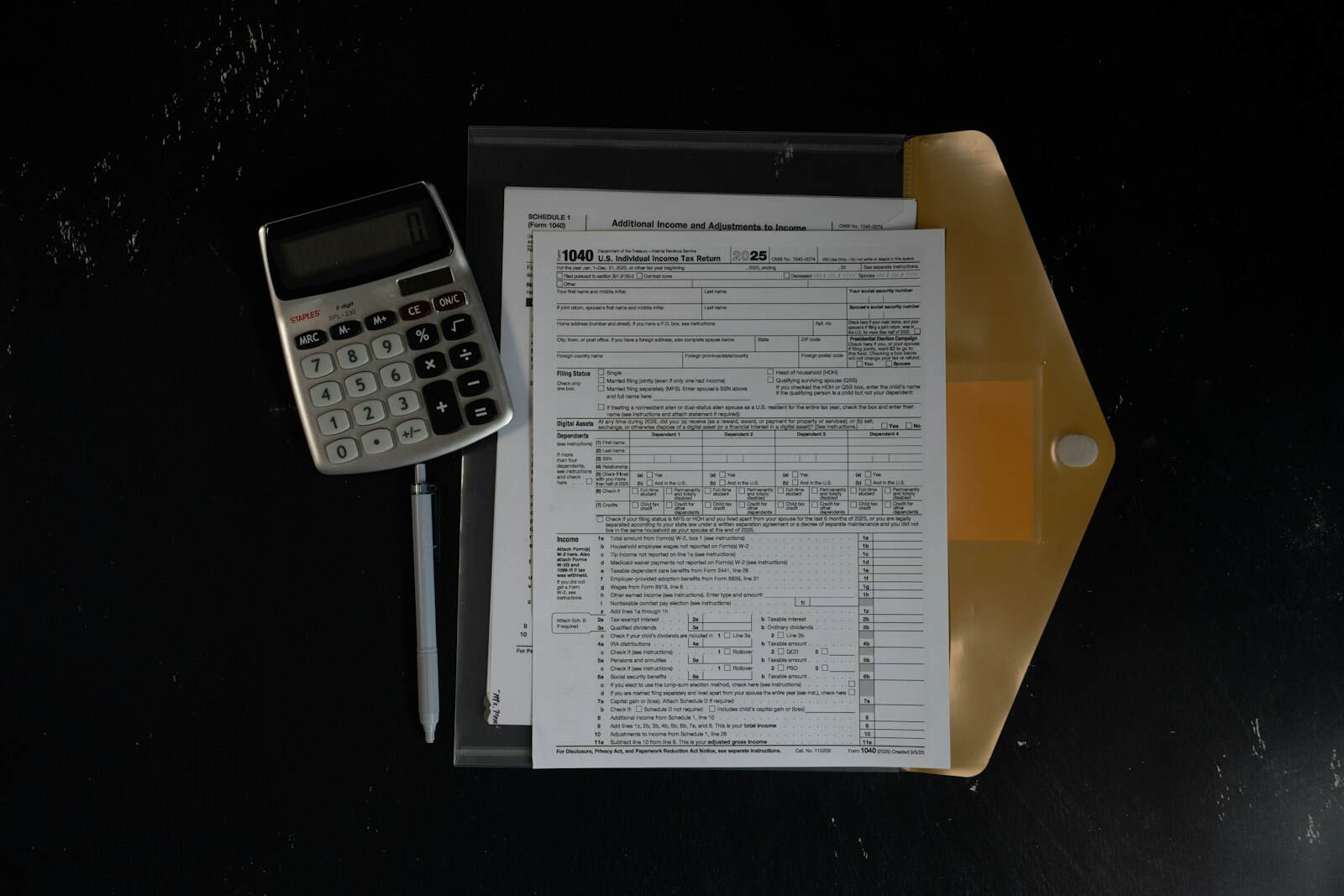
The 1099 threshold for 2026 has changed for the first time in over 70 years, and every business that pays contractors or vendors needs to understand what that means. The One Big Beautiful Bill Act (OBBBA) raises the filing threshold for Form 1099-NEC and Form 1099-MISC from $600 to $2,000, effective for payments made after December 31, 2025. This single change reduces the number of information returns many companies file each year, but it does not eliminate the need for disciplined vendor management and tax compliance.
Below is a detailed breakdown of what the OBBBA Act changes, which 1099 forms remain unaffected, and the specific steps your accounts payable team should take to stay compliant at both the federal and state levels.
What the OBBBA Act Changes for 1099-NEC and 1099-MISC
The federal reporting threshold for most Forms 1099 has been $600 since 1954. That figure was never adjusted for inflation, which means businesses have been filing information returns on increasingly routine, low-dollar payments for decades. The OBBBA Act corrects this by raising the 1099 reporting threshold to $2,000 for both Form 1099-NEC (nonemployee compensation) and Form 1099-MISC (miscellaneous payments).
In practical terms, a business that pays an independent contractor $1,800 during the 2026 calendar year is no longer required to file a 1099-NEC for that payee. The same logic applies to miscellaneous payments reported on 1099-MISC. For companies that engage dozens or even hundreds of lower-dollar service providers, such as freelance designers, event staff, or short-term consultants, this threshold increase can meaningfully reduce year-end filing volume and administrative burden.
The threshold applies to the total of all payments to a single payee across the calendar year, not to any individual invoice. A vendor paid $700 in March and another $1,500 in September crosses the $2,000 line and still triggers a filing obligation. Accurate year-to-date tracking by payee remains the foundation of correct reporting.
Inflation indexing starts in 2027
Starting in 2027, the $2,000 threshold for both 1099-NEC and 1099-MISC will be indexed for inflation and adjusted annually, rounded to the nearest $100. This indexing mechanism is a significant departure from the static $600 figure that persisted for more than seven decades. It means the reporting threshold will keep pace with economic conditions going forward, reducing the chance that businesses will again be required to file returns on trivially small payments.
1099-K Threshold Restored to $20,000 and 200 Transactions
The American Rescue Plan Act of 2021 proposed lowering the Form 1099-K reporting threshold from $20,000 to $600. That change would have dramatically expanded the number of payment card and third-party network transactions reported to the IRS, affecting millions of small sellers, freelancers, and gig workers who receive payments through platforms like PayPal, Venmo, Stripe, or online marketplaces.
After several delays and transition periods, the OBBBA Act permanently restores the 1099-K threshold to its original level: $20,000 in gross payments and 200 transactions. Both conditions must be met before a payment settlement entity is required to file. This restoration provides long-term certainty for businesses and individuals who rely on third-party payment processors.
Businesses and individuals who receive payments through credit card processors or online marketplaces should review the IRS guidance on Form 1099-K for additional clarity on how the restored threshold applies to their specific situation. Note that the 1099-K reports gross payment volume before fees, refunds, or adjustments, so reconciling those amounts against your own books matters even when a form is issued.
Which 1099 Forms Are Not Affected by the OBBBA Act
Not all 1099 forms are covered by the new threshold increase. The following forms retain their existing reporting thresholds and are not changed by the OBBBA Act:
- Form 1099-INT (interest income): $10 threshold
- Form 1099-DIV (dividend income): $10 threshold
- Form 1099-R (retirement distributions): $10 threshold
- Form 1099-S (real estate proceeds): $600 threshold
- Form 1099-B (broker proceeds): no minimum; all reportable sales must be filed
Businesses should continue to track and report these categories under the existing rules. The OBBBA Act’s threshold changes apply specifically to 1099-NEC, 1099-MISC, and 1099-K, not to the broader universe of information returns. Treating the $2,000 figure as a blanket rule across every form is a common and costly mistake.
How to Update Your Business Compliance Process
The higher reporting threshold reduces filing volume, but it does not remove the obligation to maintain accurate vendor records and strong internal controls. Coordinating these steps with your tax advisory team before year-end avoids last-minute scrambling during filing season. Here are the specific steps your team should take now.
Review historical vendor payment data
Pull your accounts payable records from the past two to three years and identify which payees fell between $600 and $2,000 in total annual payments. This analysis will show you the exact scope of the change for your organization: how many fewer 1099s you would have filed under the new threshold, and which vendor relationships are affected.
This review also surfaces data quality problems, such as duplicate vendor records or missing taxpayer identification numbers, that are easier to fix outside of filing season. Clean payee data now prevents reconciliation headaches in January.
Update your accounting software thresholds
Confirm that your accounts payable platform, ERP system, or tax preparation software reflects the new $2,000 threshold for 1099-NEC and 1099-MISC generation. Many systems default to the $600 threshold and will require a manual configuration change. Failing to update this setting could result in unnecessary filings or, worse, missed filings if thresholds are misconfigured.
Organizations that outsource this function through client accounting services should confirm with their provider that the threshold update has been applied across every entity and ledger. A single overlooked entity can quietly generate incorrect filings.
Continue collecting W-9 forms from all vendors
Even if a vendor falls below the $2,000 reporting threshold, collecting and verifying Form W-9 information remains essential. A W-9 on file protects your business in two ways: it supports backup withholding compliance if the vendor’s taxpayer identification number is missing or incorrect, and it ensures accurate recordkeeping if the vendor’s payments cross the threshold later in the year.
Make W-9 collection a condition of vendor onboarding rather than a year-end task. Requesting the form before the first payment is issued is far easier than chasing a contractor for a signature in January after the relationship may have ended.
Check state-specific reporting requirements
Several states maintain their own information return thresholds that may be lower than the new federal $2,000 level. Businesses operating in multiple jurisdictions should not assume the federal threshold increase applies uniformly. A review of each applicable state’s rules is essential to avoid penalties and ensure complete compliance. For example, a state that still requires reporting at $600 means your team must continue generating 1099s for that state even if the federal filing is no longer required.
State-Level 1099 Reporting: Why Federal Changes Are Not the Full Picture
Businesses with operations, contractors, or vendors in multiple states face an additional layer of complexity. Some states have established independent reporting requirements with lower dollar thresholds, different form requirements, or separate filing deadlines. The federal threshold increase does not override these state-level obligations.
Before reducing your 1099 filing volume based solely on the new federal threshold, confirm the rules in every state where your business has a reporting obligation. This may require coordination between your internal tax team, your CPA, and your payroll or accounts payable software provider.
Some states also participate in the Combined Federal/State Filing Program while others demand a direct state submission, and the deadlines do not always align with the federal due date. Mapping each obligation to a specific responsible person and deadline keeps a lower federal filing count from creating a false sense of completion.
All Income Remains Taxable Regardless of the Filing Threshold
One critical point that the new threshold does not change: all income is taxable whether or not a Form 1099 is issued. The 1099 reporting threshold determines when a payer must file an information return with the IRS. It does not change the payee’s obligation to report and pay tax on every dollar of income received.
If your business pays a contractor $1,500 in 2026, you are not required to file a 1099-NEC. But that contractor is still required to report the $1,500 as income on their tax return. Understanding this distinction is important for both payers and payees, and it should be communicated clearly to any vendors or contractors who ask whether they need to report payments below the threshold.
Frequently Asked Questions
What is the new 1099 threshold for 2026?
The new threshold is $2,000 for both Form 1099-NEC and Form 1099-MISC, up from the previous $600 level that had been in place since 1954. This change was enacted through the One Big Beautiful Bill Act (OBBBA) and applies to payments made after December 31, 2025.
Does the OBBBA Act change 1099-K reporting?
Yes. The OBBBA Act permanently restores the 1099-K reporting threshold to $20,000 in gross payments and 200 transactions, both of which must be met before a payment settlement entity is required to file. This reverses the proposed $600 threshold from the American Rescue Plan Act of 2021.
Do I still need to collect W-9 forms if a vendor is under the new threshold?
You should continue collecting W-9 forms from all vendors regardless of the reporting threshold. W-9 information supports backup withholding compliance and ensures accurate records if a vendor’s payments exceed $2,000 later in the year.
Which 1099 forms are not affected by the OBBBA Act?
Forms 1099-INT, 1099-DIV, and 1099-R retain their $10 thresholds. Form 1099-S keeps its $600 threshold, and Form 1099-B has no minimum, so all reportable broker transactions must still be filed. Only 1099-NEC, 1099-MISC, and 1099-K thresholds changed.
When do the new 1099 thresholds take effect?
The new $2,000 threshold for 1099-NEC and 1099-MISC takes effect for tax year 2026, meaning payments made after December 31, 2025. Starting in 2027, these thresholds will be indexed for inflation and adjusted annually.
Are state 1099 reporting thresholds the same as the new federal threshold?
Not necessarily. Several states maintain their own information return thresholds that may be lower than $2,000. Businesses operating in multiple states should review each state’s specific requirements to ensure they remain compliant at both levels.
Frequently Asked Questions
What is the new 1099 threshold for 2026?
The new threshold is $2,000 for both Form 1099-NEC and Form 1099-MISC, up from the previous $600 level that had been in place since 1954. This change was enacted through the One Big Beautiful Bill Act (OBBBA) and applies to payments made after December 31, 2025.
Does the OBBBA Act change 1099-K reporting?
Yes. The OBBBA Act permanently restores the 1099-K reporting threshold to $20,000 in gross payments and 200 transactions, both of which must be met before a payment settlement entity is required to file. This reverses the proposed $600 threshold from the American Rescue Plan Act of 2021.
Do I still need to collect W-9 forms if a vendor is under the new threshold?
You should continue collecting W-9 forms from all vendors regardless of the reporting threshold. W-9 information supports backup withholding compliance and ensures accurate records if a vendor's payments exceed $2,000 later in the year. Make W-9 collection a condition of vendor onboarding rather than a year-end task.
Which 1099 forms are not affected by the OBBBA Act?
Forms 1099-INT, 1099-DIV, and 1099-R retain their $10 thresholds. Form 1099-S keeps its $600 threshold, and Form 1099-B has no minimum, so all reportable broker transactions must still be filed. Only 1099-NEC, 1099-MISC, and 1099-K thresholds changed.