
Federal Tax
Federal tax return preparation and IRS representation for individuals, businesses, trusts, and tax-exempt organizations.
Overview
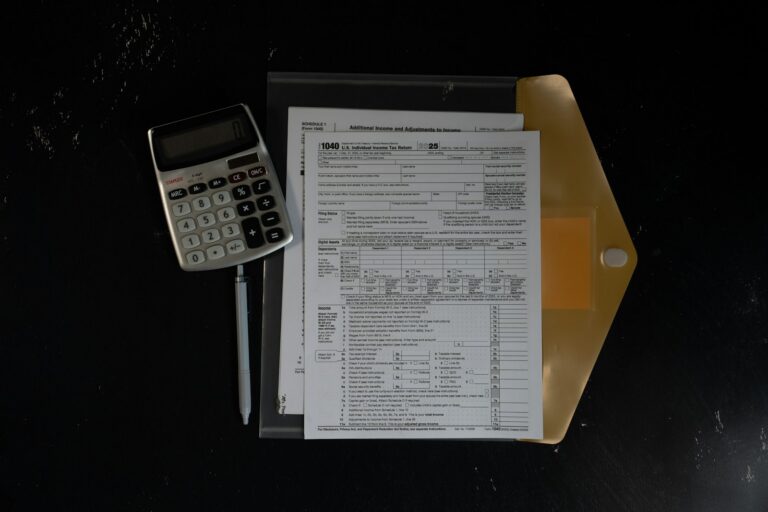
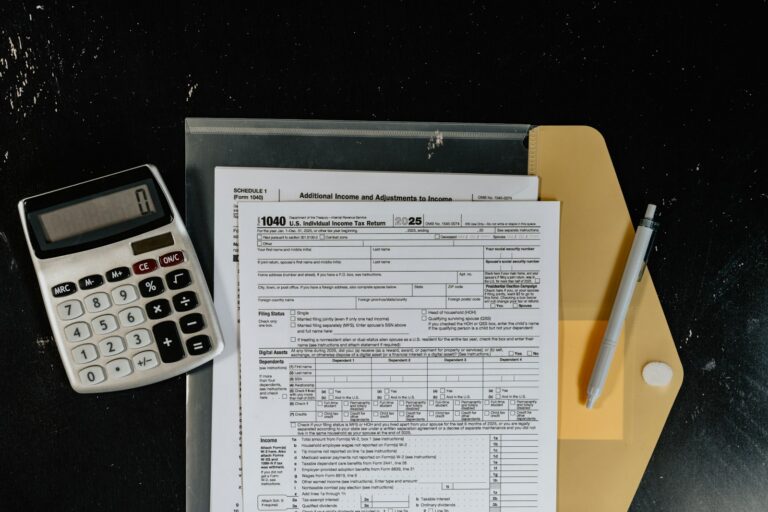
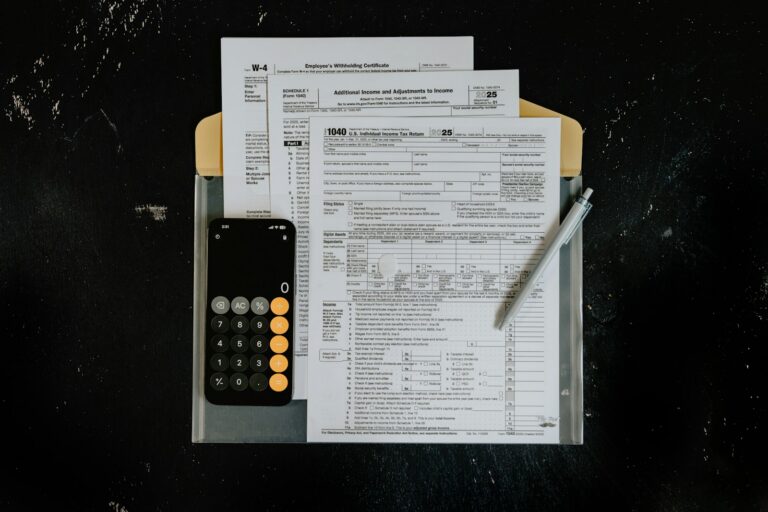
Federal tax compliance is the foundation of every other tax decision. Accurate returns, filed on time and consistent with prior positions, reduce the risk of notices, penalties, and surprises later. We prepare federal income tax returns for individuals, C corporations, S corporations, partnerships and LLCs, trusts and estates, and annual information returns for tax-exempt organizations. Because we see the returns of owners and their entities together, we can keep positions consistent across them.
When the IRS sends a notice or opens an examination, a prompt and well-documented response matters. We help clients understand what a notice is asking for, gather support, respond, and represent them before the IRS where needed. For proactive strategy, see our tax planning page. For multistate filing obligations, see our state and local tax page. Federal compliance is where those efforts are ultimately reported.
How We Help With Federal Tax
Individual Returns
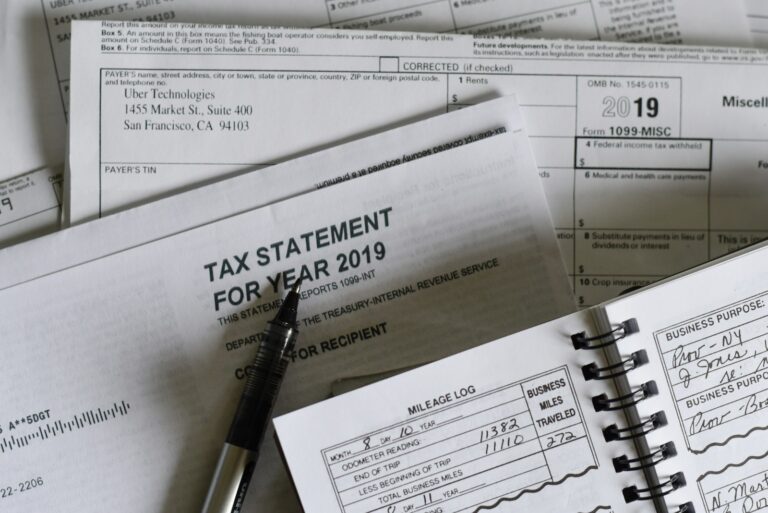
Preparation of federal individual income tax returns, including returns for business owners with pass-through income, investment activity, rental property, multiple sources of income, and filing requirements in more than one state.
C and S Corporation Returns
Federal income tax returns for C corporations and S corporations, including book-to-tax reconciliations, shareholder reporting, estimated payments, and attention to S corporation basis and distribution issues.
Partnership and LLC Returns
Partnership returns and partner reporting for multi-member LLCs and partnerships, including capital account tracking, special allocations, basis questions, and coordination with each partner’s individual filings.
Trust and Estate Returns
Fiduciary income tax returns for trusts and estates, including distribution and beneficiary reporting, coordinated with the trustee, the estate’s attorney, and the family’s broader tax picture.
Nonprofit Form 990
Annual information returns for tax-exempt organizations, including Form 990 and related schedules, prepared with attention to governance disclosures, unrelated business income, and public-facing reporting that donors and grantmakers review.
IRS Notices and Representation
Reviewing IRS notices, preparing responses, and representing clients before the IRS during correspondence and field examinations, penalty abatement requests, payment arrangements, and other collection matters.
Challenges We Help You Address
- ✓Owner and entity returns prepared separately with inconsistent positions
- ✓IRS notices that are confusing or arrive with tight response windows
- ✓Complex pass-through reporting across multiple entities and owners
- ✓S corporation basis and distribution tracking that has fallen behind
- ✓Nonprofit information returns that also serve as public disclosures











































































































































































































































































































































































Frequently Asked Questions
What should I do if I receive an IRS notice?
Read the notice carefully, note any response date, and do not ignore it. Many notices are routine requests to confirm information or explain a mismatch, while others propose changes to tax owed. Compare the notice to the return it references and gather supporting documents. A CPA can help determine whether the IRS position is correct, prepare a response, and represent you if the matter escalates.
Can a CPA represent me before the IRS?
Yes. Certified public accountants are among the professionals authorized to represent taxpayers before the IRS. With a signed power of attorney, a CPA can communicate with the IRS on your behalf, respond to notices, attend examinations, and work through penalty and collection matters. Representation lets you rely on someone familiar with IRS procedures rather than handling the process alone.
What is the difference between a C corporation and an S corporation for federal tax?
A C corporation pays federal income tax at the entity level, and shareholders are taxed again on dividends. An S corporation generally does not pay federal income tax itself; income, deductions, and credits pass through to shareholders, who report them on their own returns. S corporations must meet eligibility requirements, including limits on the number and type of shareholders and a single class of stock.
Do nonprofits have to file a federal tax return?
Most tax-exempt organizations must file an annual information return with the IRS, generally a version of Form 990, even though they may owe no income tax. The specific form depends on the organization’s type and size. Some organizations, such as churches, are generally excepted. Failing to file for three consecutive years can result in automatic revocation of tax-exempt status.
Related services & industries
Contact Us
Tell us about your organization and a member of our team will be in touch.