
Trust & Estate Planning
The tax and financial side of estate planning, from gift and estate tax returns to trust compliance, coordinated with your estate attorney.
Overview
Estate planning has a legal side and a tax side, and both need to be right. Pease Bell focuses on the tax and financial work: estimating potential estate and gift tax exposure, evaluating the tax effects of gifting and trust strategies, preparing the required returns, and keeping trusts compliant year after year. We work alongside your estate planning attorney, who drafts the wills, trust agreements, and other legal documents. Pease Bell does not draft legal documents or provide legal advice; our role is to make sure the numbers behind the plan hold up.
Many of the families we work with own a business, which adds questions about valuation, ownership transfer, and income tax on the entity itself. As a Top 200 CPA firm with audit, tax, and advisory under one roof, we can look at the business and the family’s personal tax picture together, and coordinate with the attorneys, trustees, and financial advisors already involved.
How We Help with Trusts and Estates
Estate Tax Planning
We help estimate potential federal and state estate tax exposure and model how different gifting, trust, and ownership strategies could affect it, so you and your attorney can weigh options with real numbers.
Gift Tax Returns
We prepare Form 709 gift tax returns, track lifetime gifts and exemption use over time, and help document gifts of business interests or other assets that require valuation support.
Trust Tax Compliance
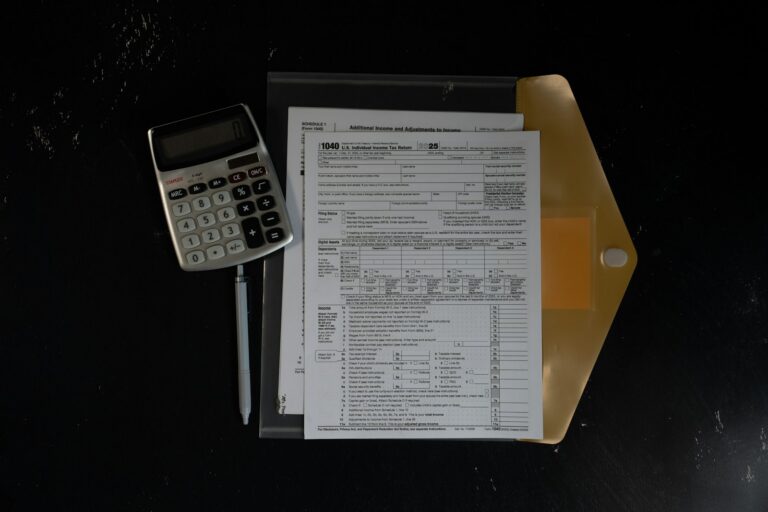
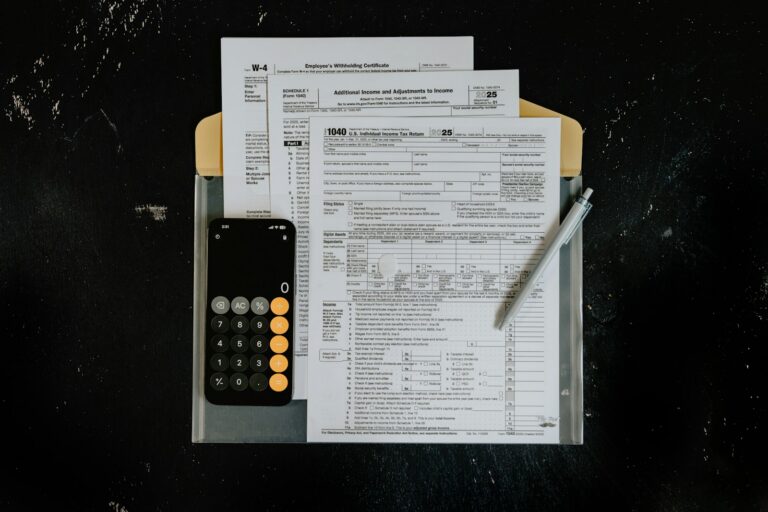
We prepare Form 1041 fiduciary income tax returns for trusts and estates, including income allocation, distribution deductions, and beneficiary Schedules K-1, along with related state filings.
Estate Tax Returns
We prepare Form 706 estate tax returns, including returns filed to elect portability of a deceased spouse’s unused exclusion amount, and help executors assemble asset values and supporting schedules.
Succession and Wealth Transfer
We help business owners model the tax and cash flow effects of transferring ownership to family members, trusts, or key employees, and coordinate that analysis with the legal plan.
Fiduciary Support
We help trustees and executors with recordkeeping, accountings for beneficiaries, and the income tax questions that come up while an estate is being administered or a trust is in place.
Challenges We Help You Address
- ✓Estate documents drafted without a clear estimate of tax exposure
- ✓Lifetime gifts made but never reported or tracked
- ✓Trustees unsure of their annual tax filing obligations
- ✓Executors facing estate tax returns and asset valuations for the first time
- ✓Family business transfers that have not been modeled for tax and cash flow









































































































































































































































































































































































Frequently Asked Questions
What is the difference between a CPA and an estate attorney in estate planning?
An estate planning attorney drafts the legal documents, such as wills, trust agreements, and powers of attorney, and advises on legal matters. A CPA focuses on the tax and financial side: estimating estate and gift tax, evaluating the tax effects of strategies, and preparing returns. Pease Bell does not draft legal documents. We work alongside your attorney so the legal plan and the tax numbers are consistent.
Does a trust need to file a tax return?
Many do. A trust or estate that meets the IRS filing requirements generally files Form 1041, the U.S. Income Tax Return for Estates and Trusts, which reports income, deductions, and distributions to beneficiaries. Grantor trusts are often treated differently, with income reported by the grantor. Whether and how a particular trust files depends on its terms and its income, so it should be reviewed each year.
When do I need to file a gift tax return?
A gift tax return, Form 709, is generally required when you give someone more than the annual exclusion amount in a year, or make certain other gifts such as gifts of future interests, even if no tax is owed. Filing tracks how much of your lifetime exemption has been used. Because the annual exclusion amount is adjusted periodically, confirm the current figure with your CPA before year-end gifting.
What is an estate tax return and who files it?
Form 706, the U.S. Estate Tax Return, is filed by the executor of an estate whose value exceeds the filing threshold, and may also be filed for a smaller estate to elect portability, which lets a surviving spouse use the deceased spouse’s unused exclusion amount. The return requires values for the estate’s assets, so it often involves appraisals and coordination with the estate attorney.
Related services & industries
Contact Us
Tell us about your organization and a member of our team will be in touch.