
Services: Audit & Assurance
-

Year-End Tax Planning: Key Strategies to Reduce Your Tax
Year-end tax planning can lower your tax bill through strategic deductions, retirement contributions, and income timing. Learn the top strategies before December 31.
-
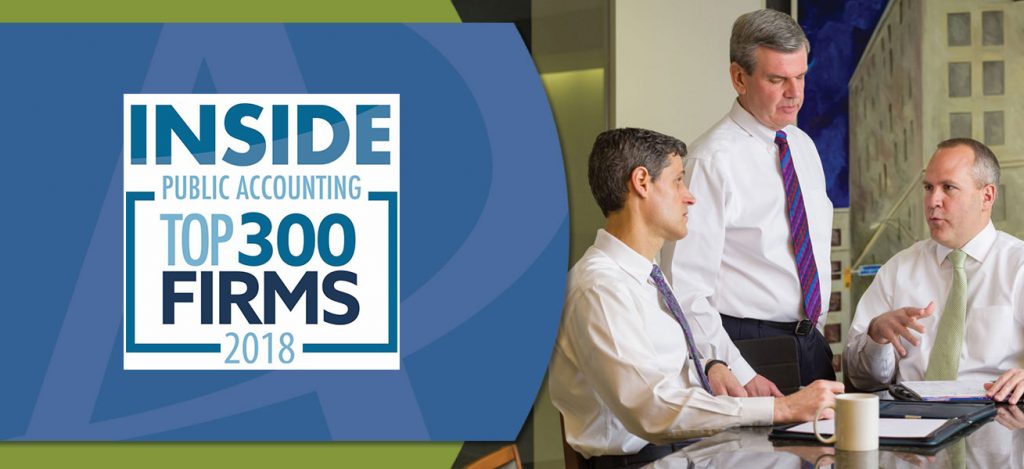
Top Accounting Firms: How Pease Bell Earned IPA Top 300
Pease Bell ranks #267 among top accounting firms in the U.S. on the IPA Top 300 list, offering tax, audit, and consulting in Cleveland,…
-

S Corp Shareholder Basis: Structuring Loans for Tax Planning
S corp shareholder basis determines how much in passthrough losses you can deduct. Learn how to structure loans, calculate basis, and avoid costly IRS…
-

CPA Firm Growth Strategy in Action
Pease CPAs accelerates its CPA firm growth strategy by adding Brent Grover to lead M&A advisory, distribution consulting, and high-growth practice areas.
-

Meals and Entertainment Deduction: 2026 Rules Explained
The meals and entertainment deduction allows businesses to deduct 50% of qualifying meal costs, while entertainment expenses remain non-deductible under current tax law.
-
Income Statement Audit: Key Items Your Auditor Reviews
Learn which income statement items auditors focus on most, from revenue recognition and cost of goods sold to operating expenses, and how to prepare.
-
5 Sources of Substantive Audit Evidence Every Business
Learn the five key sources of substantive audit evidence, from confirmation letters to recalculations, and how to prepare for each during your next audit.
-

Inventory Audit Procedures for Multi-Location Businesses
Learn the inventory audit procedures auditors use for multi-location businesses, from physical counts to general ledger analysis, and how to prepare for audit season.
-

Business Budgeting: Build a Budget From Your Financials
Business budgeting starts with your three core financial statements: income statement, cash flow, and balance sheet. Learn how to create a budget that manages…
-

Year-End Risk Assessment Using SWOT Analysis
Learn how to conduct a year-end risk assessment using SWOT analysis to identify strengths, weaknesses, opportunities, and threats.