
Services: Client Accounting
-

Restaurant Chart of Accounts: Setup for Easy Prime Cost
Build a restaurant chart of accounts that makes prime cost and margins fall out automatically. Structure, USAR alignment, numbering, and a sample layout.
-

Inventory Costing Methods: FIFO vs LIFO vs Weighted Average
Compare the main inventory costing methods: FIFO, LIFO, weighted average, and specific identification, and how each affects COGS, ending inventory, and taxes.
-

Construction in Progress Accounting: How to Record CIP
Construction in progress accounting tracks capitalized costs of a self-constructed asset in a CIP balance-sheet account until it is ready for use.
-

Manufacturing Accounting 101: Costing, Inventory, and Overhead
Manufacturing accounting explained: the three inventory stages, product vs period costs, job vs process costing, overhead allocation, COGS, and COGM.
-

Restaurant Prime Cost: Formula, Ratio, and Benchmarks
Restaurant prime cost is cost of goods sold plus total labor. Learn the formula, the prime cost ratio, benchmark ranges, and how to bring…
-

Standard Costing in Manufacturing: Standard vs Actual Methods
Standard costing assigns expected per-unit costs up front and measures the gap to real spending through variance analysis, which makes budgeting, pricing,
-
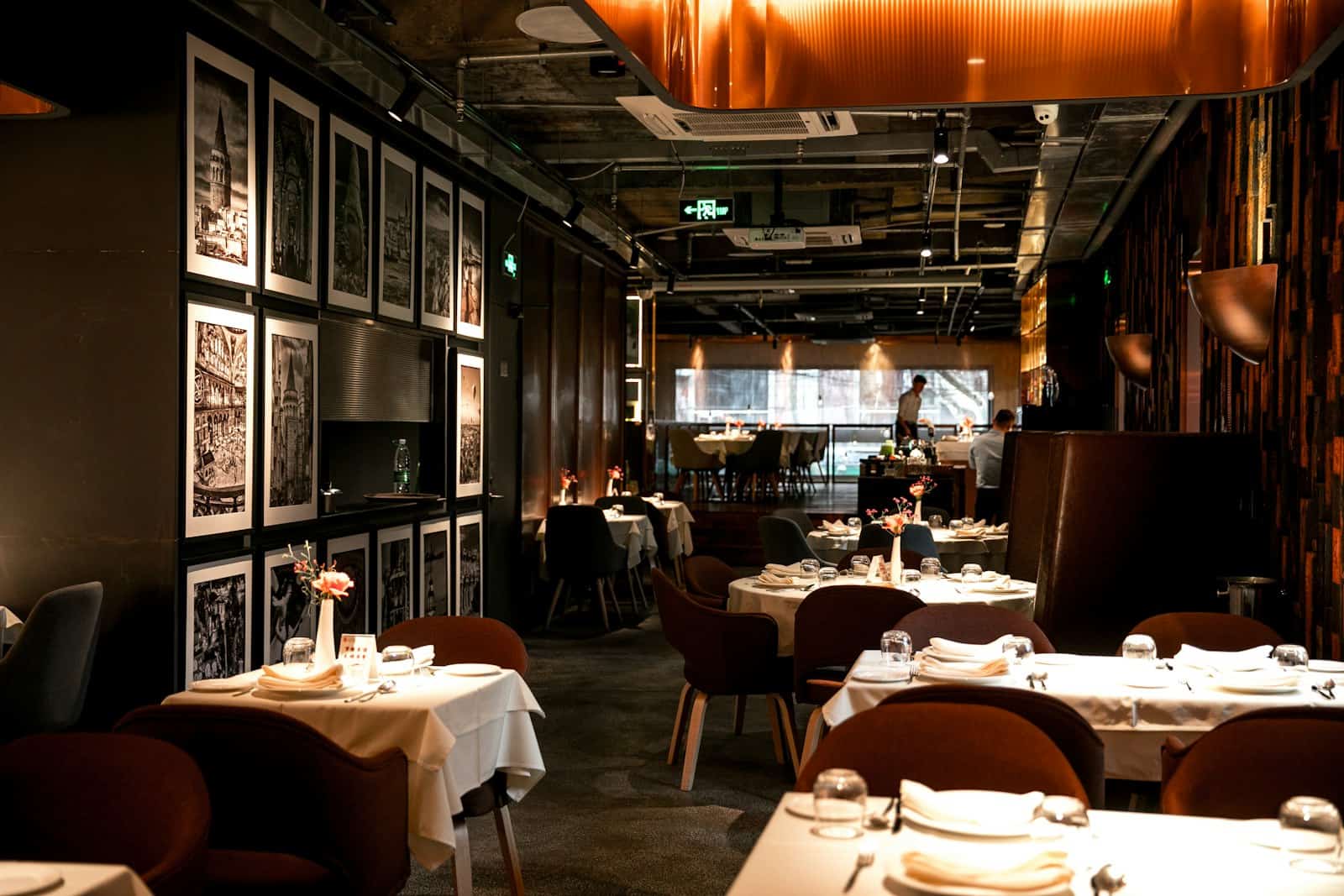
Food Cost Percentage: How to Calculate It and Cut It
Food cost percentage equals your cost of goods sold for food divided by food sales, multiplied by 100.
-

A Distributor’s Working Capital Distribution and Cash-Conversion Playbook
A distributor frees working capital by shortening its cash conversion cycle, calculated as DIO plus DSO minus DPO.
-

When Should a Restaurant Group Hire a Fractional CFO?
A restaurant group should hire a fractional CFO when financial complexity outpaces the owner’s ability to manage it, typically once the business runs two…
-
Craft Brewery Accounting: Excise Tax, COGS, and Margins
Sound brewery accounting tracks three things precisely.