
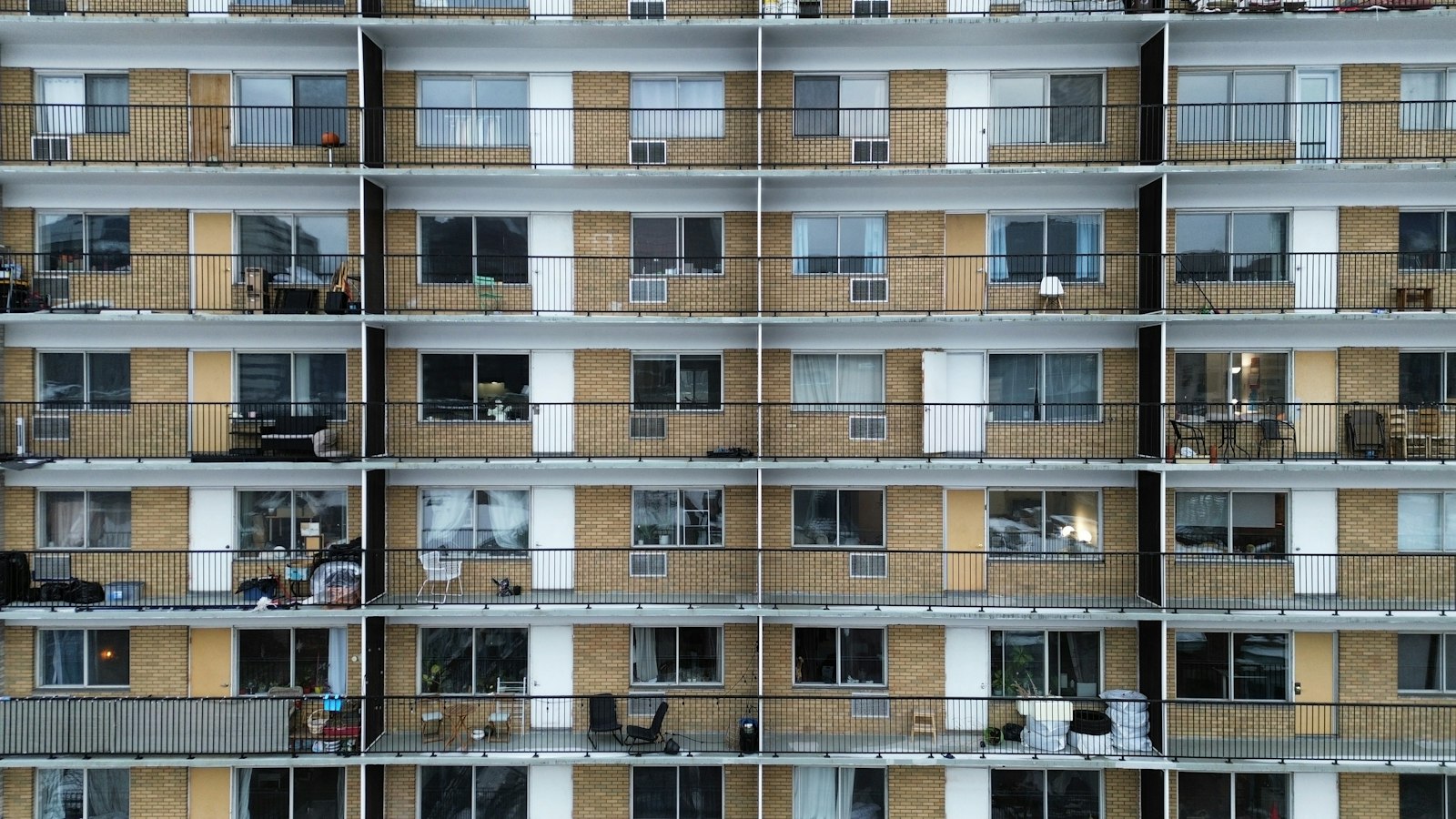
HUD’s multifamily FHA mortgage insurance programs are a major source of long-term, non-recourse financing for apartment properties across the country. Owners often know these loans by their section numbers, 223(f) for acquisition and refinance and 221(d)(4) for new construction, but fewer understand the financial reporting and cost certification obligations that come attached to an FHA-insured mortgage.
This guide explains what the main HUD multifamily programs fund, how Section 207 relates to 223(f), and the audit and cost certification requirements owners take on when they close an FHA-insured loan.
How HUD Multifamily FHA Insurance Works
These programs do not involve HUD lending money directly. A HUD-approved lender originates the mortgage, and the Federal Housing Administration insures it against loss. That insurance lets lenders offer terms that are difficult to find in conventional financing, including long amortization periods, fixed rates, non-recourse structures, and assumable loans.
In exchange for that insurance, the owner, known as the mortgagor, signs a regulatory agreement with HUD. The regulatory agreement is what brings HUD into the property’s operations and books, governing distributions, reserves, and the annual financial reporting discussed later in this guide.
The programs are authorized under the National Housing Act and administered by HUD’s Office of Multifamily Housing. They can be used for market-rate properties, and they frequently finance affordable housing as well, layering with Low-Income Housing Tax Credits or project-based Section 8 assistance.
Section 223(f): Acquisition and Refinance
Section 223(f) is the program owners use to purchase or refinance an existing multifamily property. It is technically insured under Section 207 pursuant to Section 223(f), which is why lenders and HUD staff reference both section numbers for the same loan.
A 223(f) loan suits stabilized properties that need little or no rehabilitation. The program permits modest repairs, but substantial rehabilitation generally belongs in a different program. Terms can run up to 35 years, fully amortizing, which gives owners durable, predictable debt service.
Because 223(f) finances existing assets, there is usually no construction cost certification. The underwriting focuses instead on the property’s current condition, net operating income, and a required capital needs assessment that sets the funding for future repairs through the reserve for replacement.
Section 221(d)(4): New Construction and Substantial Rehabilitation
Section 221(d)(4) insures mortgages for the new construction or substantial rehabilitation of multifamily rental housing. It is the program developers use to build apartments with HUD-insured financing, and it accommodates both market-rate and affordable projects.
A 221(d)(4) loan can carry a term of up to 40 years plus the construction period, one of the longest available in commercial real estate. The loan funds through construction and then converts to permanent financing, so the lender and HUD are involved from groundbreaking onward.
New construction and substantial rehabilitation carry an obligation that 223(f) deals usually do not: a construction cost certification, discussed in the next section, which determines the final insurable mortgage amount.
The HUD Cost Certification
For new construction and substantial rehabilitation loans such as 221(d)(4), HUD requires a cost certification after construction is complete. The mortgagor must certify its actual costs of construction, and an independent CPA examines and reports on that certification.
The purpose is to confirm the actual, allowable cost of the project, because HUD limits the insured mortgage to a percentage of that certified cost. If certified costs come in lower than projected, the maximum insurable mortgage can be reduced. The cost certification therefore directly affects the owner’s final loan amount and equity position.
This process parallels the final cost certification used in tax credit deals, and on a project that combines 221(d)(4) financing with Low-Income Housing Tax Credits, an owner may need both a HUD cost certification and a Section 42 cost certification. Our guide to how the Low-Income Housing Tax Credit works explains the tax credit side.
Loan Limits, Reserves, and Timing
The insured mortgage on these programs is capped by several underwriting tests, and the binding limit varies by deal. HUD sizes the loan to the lowest result among a debt service coverage test, a loan-to-value or loan-to-cost test, and the certified or estimated cost of the project. Affordable properties, including those with Low-Income Housing Tax Credits or project-based rental assistance, generally qualify for higher leverage than market-rate deals.
Every FHA-insured multifamily property also funds a reserve for replacement. The lender and HUD set an initial deposit and an ongoing monthly deposit based on the capital needs assessment, and draws from the account require HUD approval. For owners, the reserve is both a compliance obligation and a real constraint on cash, because it must be funded before any distribution of surplus cash.
Timing matters most on new construction and substantial rehabilitation. The cost certification is due shortly after the construction cutoff date, and the final insurable mortgage and the owner’s equity position are not settled until HUD reviews it. Building the certification into the construction closeout schedule, rather than treating it as an afterthought, keeps the endorsement on track.
Annual Audit and Financial Reporting
Once a property carries a HUD-insured or HUD-held mortgage, the owner must submit annual financial statements to HUD electronically through the Financial Assessment Subsystem for Multifamily Housing, FASS-MF, under the Real Estate Assessment Center.
For most owners, those statements must be audited by an independent CPA following HUD’s Consolidated Audit Guide, HUD Handbook 2000.04. The audit includes compliance testing specific to HUD programs, covering distributions and surplus cash, the reserve for replacement, cash management under the regulatory agreement, and mortgage status. Our overview of the REAC FASS multifamily threshold explains current submission requirements, and our summary of the HUD Consolidated Audit Guide revision covers recent changes.
Surplus cash is central to the reporting. HUD regulated properties can generally distribute to owners only out of surplus cash computed at year end under the regulatory agreement, and improper distributions are a common audit finding. Keeping reserves, mortgage payments, and distributions reconciled throughout the year is the best protection against a problem at audit time.
How the Multifamily Programs Compare to Section 232
Owners who work in healthcare real estate will recognize this structure from HUD’s Section 232 program, which insures mortgages for residential care facilities such as skilled nursing and assisted living. Section 232 shares the FHA insurance model, the regulatory agreement, and the FASS-MF audit framework, but it applies to healthcare properties rather than conventional apartments.
If your interest is on the healthcare side, our related coverage of Section 232 audited financial statements addresses that program directly. The multifamily programs in this guide, 223(f) and 221(d)(4), are the equivalents for rental apartment properties.
Where a CPA Fits In
HUD multifamily FHA financing brings a property into HUD’s reporting world for the life of the loan. A CPA experienced with these programs helps owners prepare the construction cost certification on 221(d)(4) deals, produce the annual audited financial statements and FASS-MF submission, compute surplus cash and reserve activity correctly, and coordinate HUD requirements with tax credit or Section 8 obligations on affordable deals.
Pease Bell works with owners and developers across HUD-insured multifamily and affordable housing programs. Learn more on our affordable housing industry page and our HUD services page.
Frequently Asked Questions
What is the difference between HUD 223(f) and 221(d)(4)?
Section 223(f) insures the acquisition or refinance of an existing multifamily property that needs little rehabilitation, with terms up to 35 years. Section 221(d)(4) insures new construction or substantial rehabilitation, with terms up to 40 years plus the construction period and a required cost certification.
Why do 223(f) loans reference Section 207?
A 223(f) loan is insured under Section 207 of the National Housing Act pursuant to Section 223(f). Section 207 is the statutory home for the insurance, so both section numbers refer to the same acquisition or refinance loan.
What is a HUD cost certification?
A HUD cost certification is the mortgagor’s certification of actual construction costs on a new construction or substantial rehabilitation loan, examined by an independent CPA. HUD uses it to set the final insurable mortgage amount, because the insured loan is limited to a percentage of certified cost.
Do HUD multifamily owners need an annual audit?
Most owners with a HUD-insured or HUD-held multifamily mortgage must submit annual audited financial statements to HUD through the FASS-MF system, following the Consolidated Audit Guide. Current thresholds determine whether statements must be audited or owner-certified and should be confirmed each year.
Can HUD multifamily loans be combined with tax credits?
Yes. Section 221(d)(4) and 223(f) financing is frequently paired with Low-Income Housing Tax Credits or project-based Section 8 assistance on affordable deals. A project that combines 221(d)(4) with tax credits may require both a HUD cost certification and a Section 42 cost certification.
How is HUD multifamily FHA insurance different from Section 232?
Both use the same FHA insurance model, regulatory agreement, and FASS-MF audit framework. The difference is the property type: Sections 223(f) and 221(d)(4) finance conventional multifamily apartments, while Section 232 finances residential care facilities such as skilled nursing and assisted living.