Important IRS Payment Changes for the 2026 Tax Year
Written By: Alex Kuzmik, J.D.
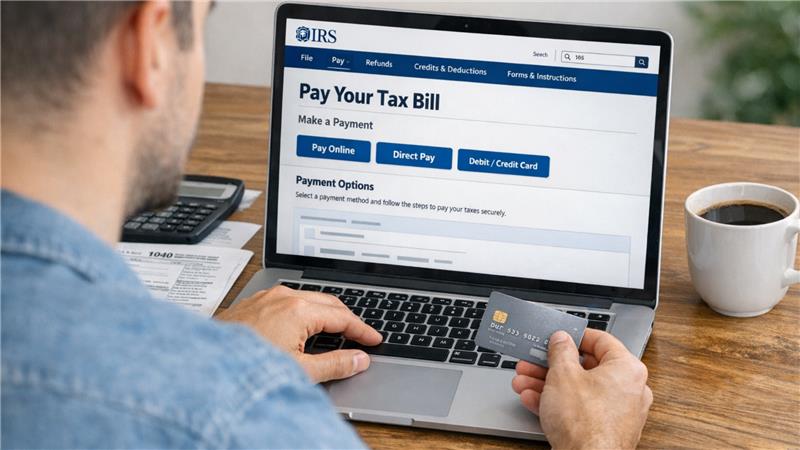
The IRS will no longer issue or accept paper checks for federal tax payments starting January 2026. This change is intended to increase efficiency, reduce processing delays, and enhance payment security. As a result, taxpayers must be prepared to use approved electronic payment methods.
The IRS has outlined the following electronic payment options:
Individuals
Individual taxpayers will need to submit payments electronically using the IRS Direct Pay system. This portal allows you to make payments directly from a checking or savings account without fees and without the need to enroll in advance.
Business
Businesses (S-Corporations, C-Corporations, and Partnerships) will be required to use the Electronic Federal Tax Payment System (“EFTPS”). EFTPS is a secure system used for federal tax payments, but it requires advance enrollment. After enrollment, the IRS will mail a Personal Identification Number (PIN) to the address on file. This process typically takes about one week, and sometimes longer during peak periods.
Trusts and Estates
Trusts and estates will also be required to use the EFTPS, the same as businesses.
Waiting until a tax deadline could leave you unable to make a timely payment, potentially resulting in penalties and interest.
Taxpayers should update their process for issuing tax payments or accepting tax refunds. Taxpayers should also enroll in EFTPS early if you expect to make federal tax payments for a business, trust, or estate.
If you have questions about these changes, need assistance setting up electronic payments, or want to confirm you’re prepared for the 2026 tax season, please reach out to your trusted advisor at Pease Bell CPAs.